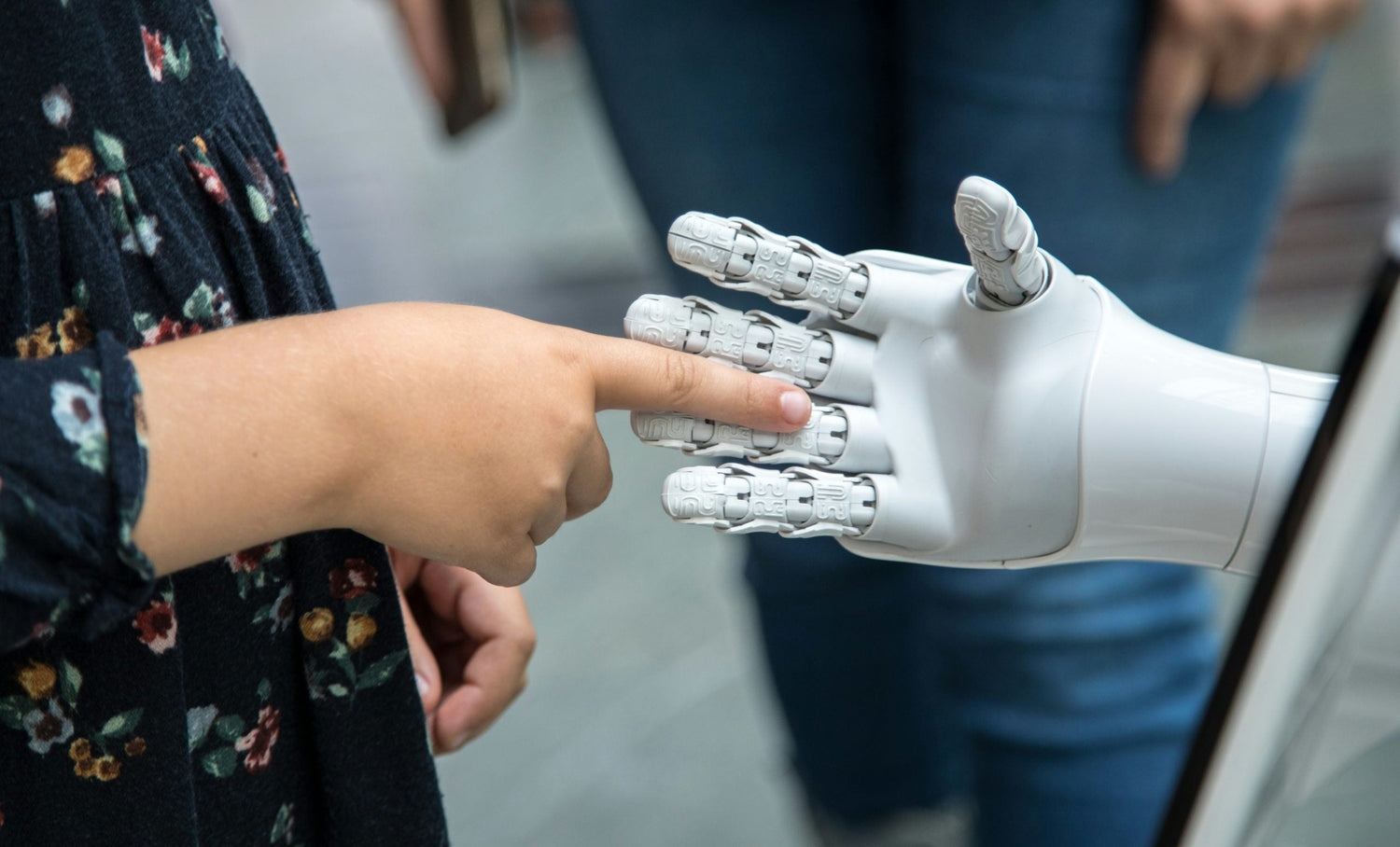
You’ve heard it before: “AI is coming for your job.” Scroll through social media or skim a few headlines, and you might feel like you’re on a countdown to career extinction. If you’re choosing a career path, building your future, or helping someone do the same, it’s a lot to take in.
But here’s the truth: AI isn’t here to replace you. It’s here to reshape the way we work, and that includes opening up new opportunities we couldn’t have imagined a few years ago.
Let’s break this down. No panic. No sugar-coating. Just the real story on where AI is going, and how you can stay ahead.
First Things First: What AI Can and Can’t Do
AI is powerful, but it has limits. It can crunch data, follow patterns, and even mimic human language. What it can’t do is understand real-world context, make ethical decisions, or connect emotionally with others, at least not the way people do.
Think of AI as a smart assistant. It can help write a report, but it doesn’t know what makes a message persuasive. It can summarize facts, but it can’t generate deep insight from lived experience.
AI excels at tasks, not entire jobs.
That’s a crucial difference. Jobs are more than tasks. They involve human judgment, creativity, leadership, and emotional intelligence. That’s why AI might assist you, but it’s unlikely to replace you, especially if you’re building the right skills.
So... Will AI Take Jobs?
Yes, some jobs will disappear. But many more will evolve, and new ones will be created. According to the World Economic Forum (2025), AI is expected to displace 85 million jobs by 2025, but also create 97 million new ones.
Here’s what that looks like in real life:
- A factory job may shift from manual labor to supervising robots.
- A customer service rep may work alongside AI chatbots to handle more complex queries.
- A marketing assistant may use AI to analyze data but still craft the story and campaign strategy.
Automation will impact some roles faster than others. Routine and repetitive jobs are most at risk. But jobs that require human thinking, empathy, or creativity will continue to grow.
Industries in Transition and Where You Fit In
AI is changing every industry, but it’s not wiping them out. It’s transforming how they operate, and what skills they value. Let’s look at a few:
1. Finance
AI manages fraud detection, data analysis, and trading algorithms. But human financial advisors still help clients navigate uncertainty, set goals, and make smart decisions.
2. Marketing and Content
AI tools like ChatGPT or Midjourney assist with writing and design. But storytelling, brand voice, ethics, and emotional connection? Still 100% human work.
3. Manufacturing
Robots now assemble parts or manage logistics. But someone still needs to program, monitor, and maintain the machines, and ensure safety and efficiency.
4. Education
AI tools personalize learning paths or automate admin. But teachers and advisors build trust, motivate students, and adapt to real-life classroom needs.
The same is true in healthcare, law, design, hospitality, and even tech itself. AI is a tool, not a replacement.
Future-Proof Skills That AI Can’t Replace
If you want to stay relevant, focus on what makes you uniquely human. These are the skills that AI can’t touch, and employers increasingly want:
- Critical thinking – The ability to analyze, evaluate, and solve complex problems.
- Emotional intelligence – Understanding others’ feelings, resolving conflict, building trust.
- Adaptability – Willingness to learn, unlearn, and stay open to change.
- Creativity – Thinking beyond templates. Generating fresh ideas.
- Communication – Writing clearly. Presenting your thoughts. Collaborating with others.
- Ethics and judgment – Making responsible decisions with real-world consequences.
Want to future-proof your career? Start here.
What You Can Do Right Now
No matter your age or stage, there are ways to take action today:
- Explore career paths that blend human + tech skills. Examples: UX design, data ethics, AI policy, digital storytelling, e-learning.
- Take a free AI course or try out tools like Notion AI or Grammarly. See how they work and what they can’t do.
- Practice adaptability. Learn new platforms. Ask questions. Stay curious.
- Build soft skills. Volunteer, collaborate, lead a small project, anything that sharpens your human edge.
And remember: You don’t have to become a machine-learning engineer to succeed in an AI world. You just need to understand how AI fits into your field, and how to stand out beside it.
For Educators and Career Advisors
You play a key role in shaping how young people view the future of work.
- Update the curriculum to include AI awareness, digital ethics, and real-world application of soft skills.
- Frame AI as a collaborator, not a threat. Encourage students to explore how it’s being used in their fields of interest.
- Teach students to ask better questions, think critically, and work well with others. These are the skills that matter more than ever.
Preparing students for the future isn’t just about job titles, it’s about mindset, adaptability, and lifelong learning.
The Bigger Picture: A Shared Challenge
This isn’t just a personal journey. It’s a global shift. We need more than upskilling and career plans, we need systems that support people through transitions.
That means:
- Companies that invest in retraining, not just cost-cutting.
- Governments that create safety nets and policies for fair access.
- Schools and institutions that rethink what they teach, and why.
We’re not just building careers. We’re building a future where people and AI can thrive together.
Final Thought: Ask the Better Question
Instead of worrying, “Will AI replace me?” Ask: “How can I grow with AI, and do the work only humans can do?”
Whether you’re a student picking your first path, a job seeker switching gears, or an advisor shaping the next generation, one thing is clear:
The future of labor is not about beating the machines, it’s about being more human than ever.
Stay curious. Stay adaptable. The future of work isn’t written yet, and your voice matters.